
Let’s be honest—walk into any trade show, scroll through Alibaba, or browse Etsy, and you’ll see a lot of acrylic. Display stands, signage, awards, cosmetic organizers, pet feeders—even iPhone stands shaped like minimalist cacti (yes, we’ve seen them). Acrylic is everywhere. It’s sleek, lightweight, endlessly customizable… and, frankly, easy to get lost in the noise.
So, how does a brand—like ours—cut through the clutter? Spoiler: It’s not just about laser-cutting a rectangle with rounded corners and calling it a day.
At Sunday Knight, we’ve spent the last seven years knee-deep in PMMA sheets (that’s technical-speak for polymethyl methacrylate—though we just call it “the good stuff”). And over time, we’ve learned that standing out with acrylic isn’t about more—it’s about meaningful more.
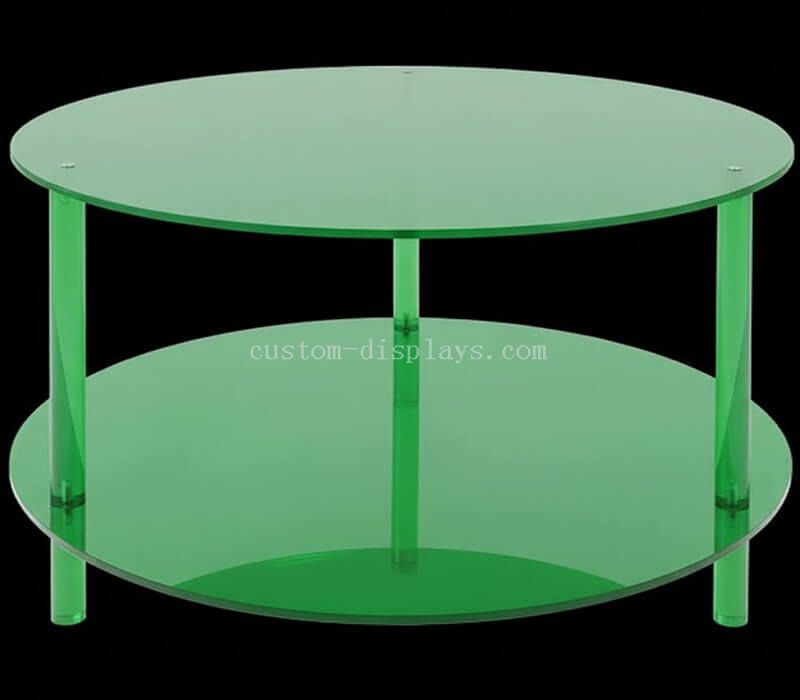
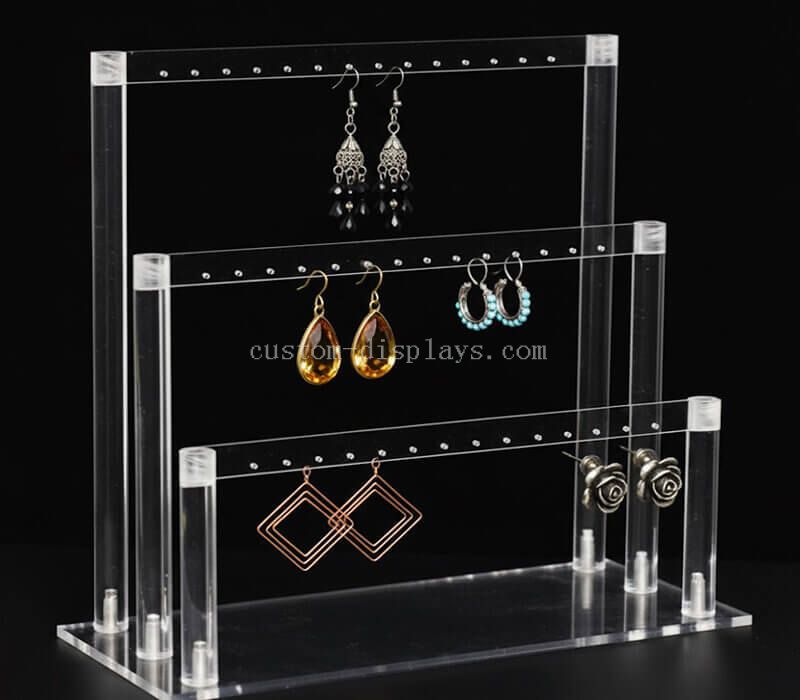
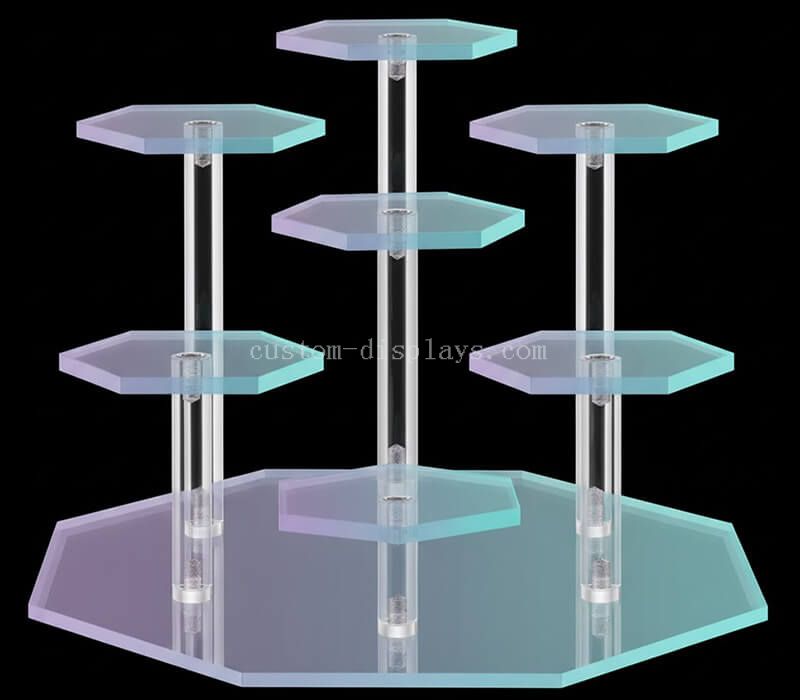
It Starts with Why, Not What
Most suppliers lead with specs:
✔ 3mm/5mm thickness
✔ Clear/frosted/colored
✔ CNC or laser-cut
✔ MOQ 500 pcs
Nothing wrong with specs—but they’re table stakes. What customers really remember is how your product solves a problem they didn’t know they had.
Take our recent project with a boutique skincare brand. They didn’t need another counter display. They needed a display that reinforced their brand’s quiet luxury ethos—something that felt like a museum plinth, not a shelf. So we designed a tiered acrylic riser with subtle beveled edges, internal LED channeling (no visible wires), and a micro-textured matte finish that resisted fingerprints and diffused light like soft linen. It wasn’t “just acrylic.” It was brand architecture.
That’s the shift: From commodity to considered object.
The Devil’s in the Details (and the Edges)
Ever notice how cheap acrylic feels? It’s rarely the material—it’s the finishing. Scratched surfaces. Cloudy laser burns. Sharp, unpolished edges that snag packaging (or fingers).
We obsess over what we call tactile integrity:
- Flame-polishing vs. buffing: Flame gives that glass-like clarity on edges—but only if humidity and feed speed are dialed in just right. Do it poorly, and you get stress cracks. We do it in-house, batch by batch, never outsourced.
- Deburring like surgeons: No one sees the backside of a sign—but if it’s rough, the whole piece feels “off.” We hand-deburr every edge, even internal cutouts.
- Tolerance stacking: A 0.2mm variance sounds negligible—until you’re assembling 12 interlocking parts. We build jigs for complex kits, not just to speed things up, but to ensure repeatable precision.
Customers don’t always know to ask for this—but they feel it the second they unbox the product.
Sustainability? Not a Buzzword—A Baseline
Yes, acrylic is plastic. And no, it’s not biodegradable. But “sustainable acrylic” isn’t an oxymoron—it’s a commitment.
We source from manufacturers using recycled-content PMMA (up to 30% post-industrial), reclaim 92% of offcuts for smaller components (business card holders, sample tags), and avoid solvent-based adhesives in favor of UV-cured bonding—lower VOCs, stronger joints.
More importantly: We design for longevity. A beautifully made acrylic organizer shouldn’t end up in landfill in 18 months because a joint cracked. We reinforce stress points, over-engineer hinges, and—when possible—design for disassembly and repair.
(Pro tip: Ask your supplier where their acrylic comes from. If they hesitate, that’s your answer.)
Customization ≠ Complexity
Here’s a myth we love to bust: “Custom = expensive + slow.”
Not if you build flexibility into your process.
We keep a library of 200+ modular templates—bases, connectors, display angles—that can be mixed, resized, and reconfigured. Need a riser that goes from 3-tier to 5-tier? Swap two components, not the whole design. Want branding on the side? We’ve got insert channels for interchangeable acrylic or metal plates—no retooling.
This lets us offer true co-creation without 12-week lead times. One client, a coffee roaster, iterated through three display prototypes in 10 days—just to test sightlines in their flagship store. That agility? That’s how partnerships are built.
 English
  Español
  Français
  Deutsch
  Italiano
  한국어
한국어